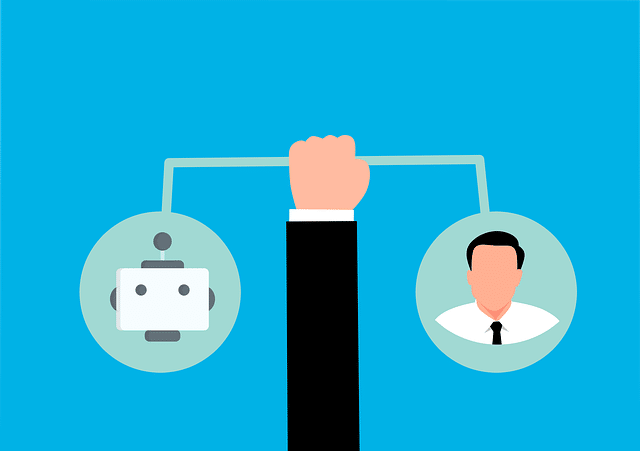
In an era dominated by automation and AI-driven tools, it’s easy to assume that cybersecurity, like many other industries, can be handled entirely by machines. From auto-generated vulnerability scans to AI chatbots that claim to manage risk, automation is everywhere. However, when it comes to identifying real-world threats and protecting your organization from determined attackers, technology alone is insufficient.
That’s where human-led penetration testing proves its value. Unlike automated tools that simply flag known issues, human testers bring critical thinking, creativity, and context to every engagement. At MainNerve, we believe that cybersecurity remains a human challenge, and that’s why we place experienced professionals at the heart of every test, from initial consultation to final report delivery.
Yes, we use automation to enhance efficiency, but it’s our people, real humans with real expertise, who uncover the complex, high-impact vulnerabilities that matter most.
The Rise of AI in Cybersecurity and Its Limits
There’s no denying that AI and automation play valuable roles in cybersecurity. Automated vulnerability scanners can flag outdated software, misconfigurations, and known CVEs. AI tools can help prioritize threats and even simulate some social engineering attempts.
But here’s the reality: attackers don’t always rely solely on automation. Real-world adversaries are humans, adaptive, curious, and persistent. They blend technical knowledge with creativity to find unconventional paths into systems, exploit human behavior, and bypass controls that automation can’t fully evaluate.
Automated scans can tell you what’s broken. Human pen testers can show you how someone would break in.
Why the Human Touch Still Matters in Penetration Testing
1. Realistic Attack Simulation Requires Human Thinking
Automated tools follow rules. They test known vulnerabilities and report based on signatures and templates. A human pen tester, on the other hand, can think like a real attacker, linking seemingly low-risk issues into a chain, identifying business logic flaws, or exploiting a system misconfiguration in a way no scanner would consider.
Whether it’s bypassing a WAF, crafting a spear phishing campaign, or exploiting chained misconfigurations across segmented networks, only a human tester can replicate the ingenuity of a real adversary.
2. Contextual Intelligence and Judgment
A machine may flag 500 vulnerabilities. A human knows which 10 matter most to your business. Risk prioritization isn’t just about CVSS scores; it’s about understanding your environment, how your systems are used, and what could realistically be exploited to cause harm.
Our human-led tests take context into account, considering where your critical data resides, how access is structured, and which weaknesses pose the most significant real-world risk.
3. Collaboration and Clarity in Communication
Pen testing isn’t just technical, it’s also personal. You need someone who can explain complex vulnerabilities in plain language, work collaboratively with your team, and provide ongoing support throughout remediation.
At MainNerve, we assign a dedicated human delivery manager to every engagement. This person helps set up initial tests, coordinate follow-up testing, and ensure your team gets maximum value from the assessment. You also work with a real human sales liaison, not a chatbot, to define scope, set expectations, and get answers quickly.
We don’t hand you a PDF and disappear. We walk you through the report if you request it, help you understand the risk, and offer real-world advice on how to fix the problems we find. If you want to review the report and ask questions later, we’re here for that too.
A Hybrid Approach That Works
We’re not anti-automation. In fact, we use automated scanning tools as part of our process to surface common vulnerabilities efficiently. But automation is our assistant, not our replacement.
Our approach combines the speed of automation with the creativity of human testing. This hybrid model ensures both depth and breadth:
- Automated tools flag known issues at scale.
- Manual testing explores context, logic, and creative attack paths.
- Human oversight ensures findings are relevant, prioritized, and clearly explained.
- Human delivery ensures you’re supported before, during, and after testing.
Human Connections Build Trust
Cybersecurity is about trust. You’re giving a vendor access to your systems, your data, and sometimes even your people. That relationship shouldn’t be automated.
When you work with MainNerve, you’re not just buying a test; you’re building a relationship with a team of experienced cybersecurity professionals committed to your success. We believe in fostering long-term partnerships, promoting continuous improvement, and collaborating closely with your team to build resilience over time.
Final Thoughts
In a world increasingly driven by automation and AI, MainNerve stands apart by delivering human-led penetration testing that goes beyond check-the-box scans. We believe that effective security requires more than software; it requires intuition, context, and conversation.
So, while other firms are replacing human interaction with bots and dashboards, we’re doubling down on human expertise and support.
You deserve more than a scan. You deserve a partner.
Need to Talk to a Human About Pen Testing?
Connect with a real person at MainNerve today. We’ll help you understand your options, scope the right test for your environment, and work with you from the first call to the final report. No bots. No nonsense. Just real cybersecurity experts, ready to help.